
Every October, the summer duvet goes back in the drawer and the winter one comes out. And for most people, neither has been properly washed since the last time this happened.
If you are swapping bedding this autumn in Torquay or across Torbay, MDL Launderette has the machines to get it done properly. Here is what you need to know about washing duvets — and why the home machine often falls short.
Why most home machines cannot wash a duvet properly
A 10.5 or 13.5 tog double or king-size duvet does not fit properly in a standard 6 or 7 kg washing machine. You can force it in, but it will not move freely in the drum, the filling will not be reached effectively by the water and detergent, and it will not spin out well. The result is a duvet that feels slightly damp, takes two days on the line and develops a stale smell within a few weeks.
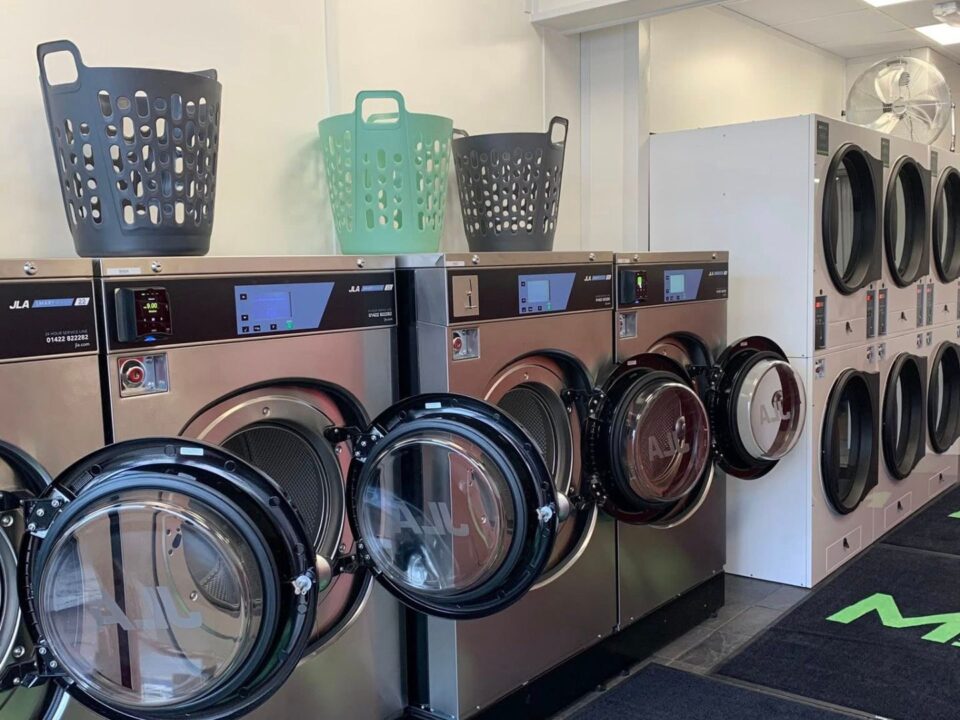
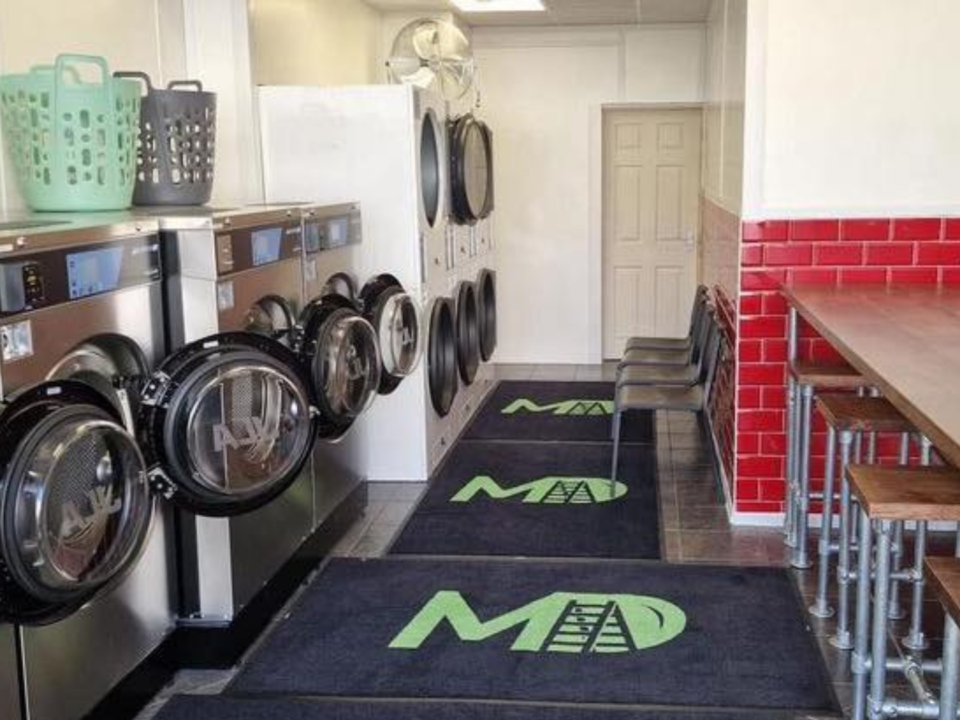
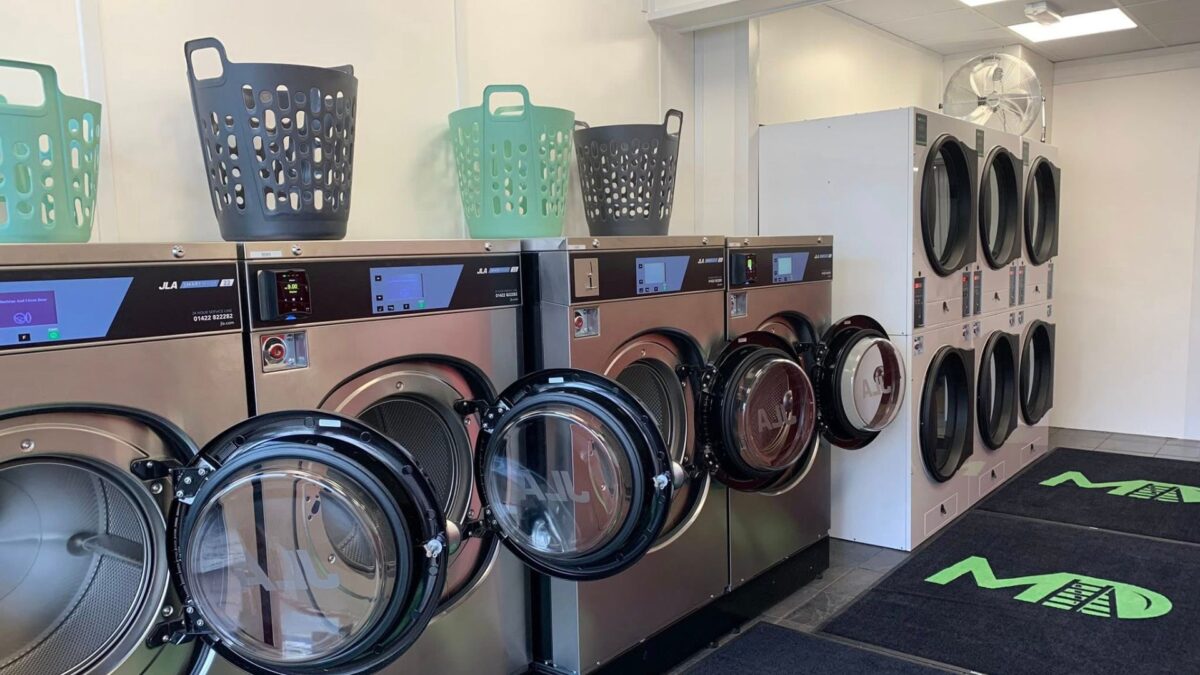
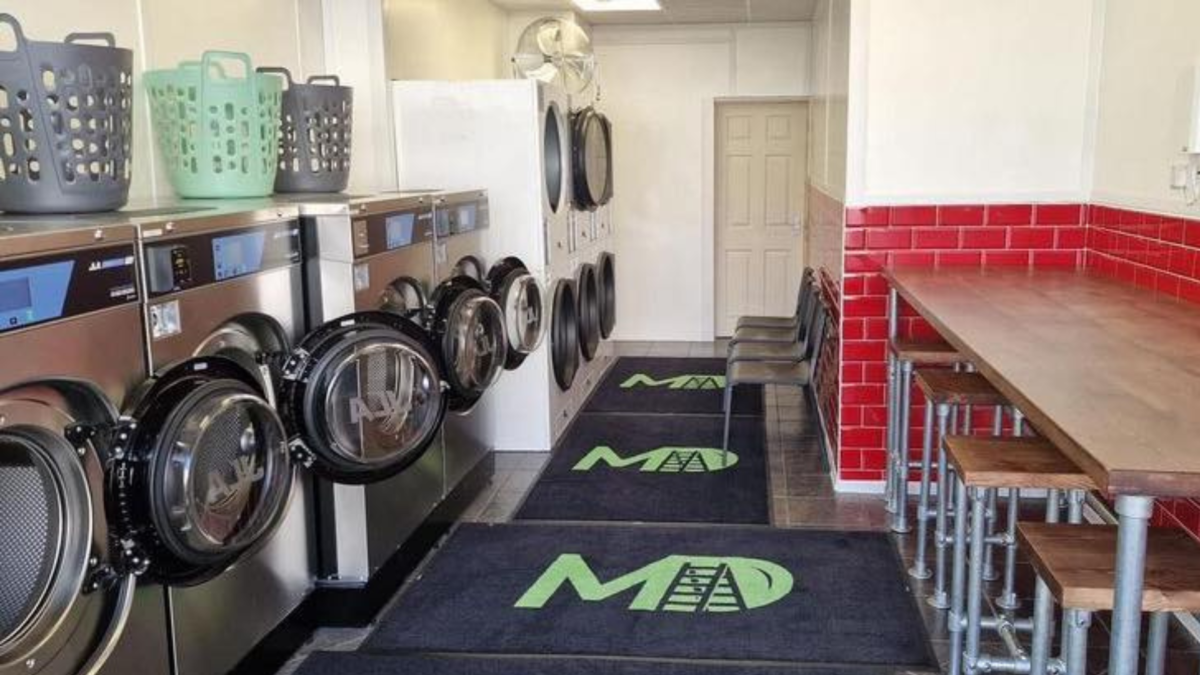
Commercial machines at MDL have the drum capacity and spin speed to do the job as it should be done. The fill moves, the water reaches it and the spin removes enough moisture that the drying time is significantly reduced.
How do you know if a duvet needs washing?
A duvet in regular use for six months without washing will have absorbed sweat, skin cells and dust mite allergens even through the cover. Signs it is overdue a wash include a slight odour when you take the cover off, visible staining on the outer shell, or anyone in the household experiencing more than usual allergy symptoms at night.
Most duvet manufacturers recommend washing every three to six months. Most people wash them far less often than that. The October bedding changeover is a natural moment to deal with both the summer and winter duvet at once.
Temperature and care label — what to check
Synthetic-fill duvets can usually be washed at 60 degrees, which is the temperature that deals properly with dust mite allergens. Down and feather-fill duvets should generally go at 40 degrees on a gentle cycle. Check the care label before washing — there will be a maximum temperature and a drum symbol if machine washing is permitted.
If the care label says dry clean only, do not put it in a machine. Bring it in and we can advise.
Pillows, blankets and the rest of the autumn bedding
Pillows should be washed every three to six months and replaced every one to two years. They absorb the same things duvets do and are often washed even less frequently. Blankets and throws can often go in a standard machine if they are light enough, but heavy wool blankets, weighted blankets and electric blanket covers are better handled at a launderette where capacity and temperature control are reliable.
If you are doing a full autumn bedding refresh, it is worth bringing everything in at once. We can usually get through a full set in a single visit.
Frequently asked questions about duvet washing at MDL
Can you wash a king-size duvet in a home washing machine?
A king-size duvet — particularly a 10.5 tog or above — will not wash properly in a standard home machine. The drum is too small for the filling to move freely. A large commercial machine is the right approach.
How often should a duvet be washed?
Manufacturers generally recommend every three to six months. Washing at the seasonal changeover — once in spring, once in autumn — is a practical routine for most households.
What temperature should a duvet be washed at?
Synthetic fill: 60 degrees for hygiene. Down or feather fill: 40 degrees on a gentle cycle. Always check the care label first.
Bring your duvets to MDL Launderette in Torquay this autumn and get them properly clean before the cold arrives. Contact us via mdelitecleaningservices.co.uk for address and opening hours.